
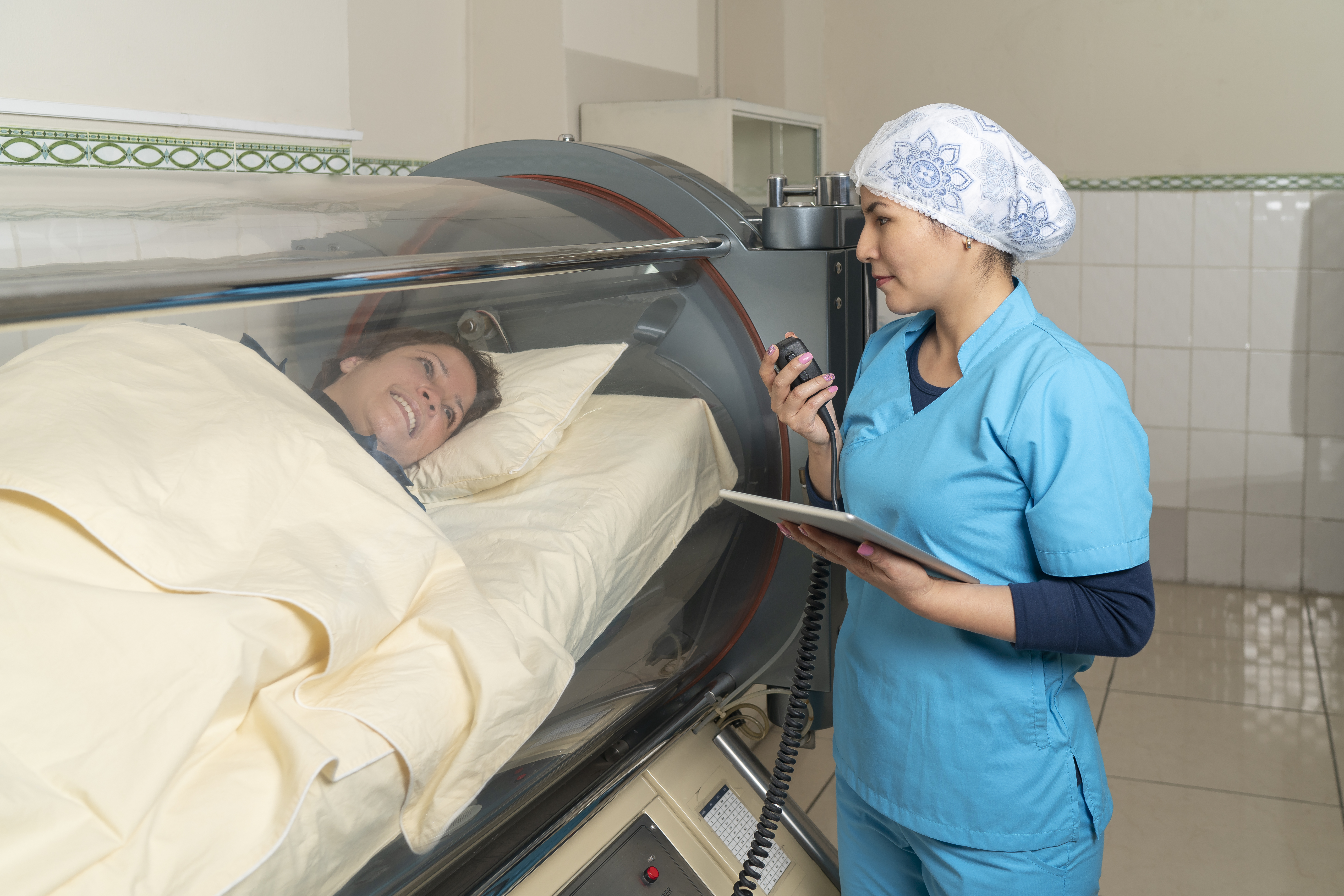
Hyperbaric oxygen therapy (HBOT) may seem like a modern treatment for a variety of medical conditions, but its roots go back several decades. The therapy’s early applications demonstrated its remarkable potential, and over time, it has grown into an essential tool in treating numerous health issues, from wound healing to neurological disorders. In this post, we’ll explore how early HBOT made a significant impact on medicine and laid the foundation for its broader use in modern healthcare.
The Origins of HBOT
Hyperbaric oxygen therapy has a long history, dating back to the late 19th century when early physicians began experimenting with the use of pressurized chambers to treat conditions like decompression sickness. Initially, the focus was on divers suffering from the bends, a condition caused by nitrogen bubbles forming in the bloodstream after a rapid ascent. Early trials demonstrated that breathing pure oxygen in a pressurized environment could help dissolve these bubbles and prevent serious complications.
While this treatment was originally intended for divers, its success led researchers to investigate whether HBOT could help treat other conditions as well. The idea that oxygen could accelerate healing and restore tissue function in injured or diseased areas quickly captured the attention of the medical community.
Early Applications and Breakthroughs
One of the first conditions to benefit from HBOT was chronic wound healing. Researchers discovered that increasing the oxygen supply to damaged tissues could stimulate collagen production, promote cell regeneration, and reduce inflammation. This was particularly useful for patients with diabetic ulcers, burns, and radiation injuries, conditions that were notoriously difficult to treat with conventional methods.
In the 1960s and 1970s, studies began to show that HBOT could also help fight infections, particularly those caused by anaerobic bacteria. These bacteria thrive in environments without oxygen, making them difficult to treat with traditional antibiotics. However, the increased oxygen concentration provided by HBOT could inhibit bacterial growth and even kill these harmful microbes.
Perhaps one of the most significant breakthroughs came in the treatment of brain injuries. Early research revealed that HBOT could help repair brain tissue damaged by stroke, traumatic brain injury (TBI), and other neurological conditions. By delivering more oxygen to the brain, the therapy increased cellular repair and reduced inflammation, ultimately improving cognitive function and enhancing recovery.
The Role of HBOT in Modern Medicine
The early success of HBOT in treating conditions like decompression sickness, chronic wounds, and infections led to more widespread clinical adoption. As research progressed, it became clear that the potential applications of HBOT were far-reaching. Today, HBOT is used in the treatment of a wide range of medical issues, including:
- Neurological conditions: Studies have shown that HBOT can promote healing in brain tissue, making it an essential tool for treating stroke, brain trauma, and even conditions like cerebral palsy.
- Cancer: Emerging research suggests that HBOT may have a role in cancer treatment by increasing oxygen levels in tumors, which can enhance the effectiveness of radiation therapy.
- Autoimmune diseases: In autoimmune conditions, where the body attacks its own tissues, HBOT can help reduce inflammation and support tissue repair, offering relief to patients suffering from conditions like rheumatoid arthritis.
- Wound healing: The therapy continues to play a crucial role in helping patients recover from complex and chronic wounds, particularly those resulting from diabetes or poor circulation.
- Mental health: In recent years, there has been growing interest in the use of HBOT to treat conditions like post-traumatic stress disorder (PTSD), anxiety, and depression. Early studies suggest that increased oxygenation may help repair damaged brain cells and restore healthy brain function.
The Future of HBOT
While the early successes of HBOT helped demonstrate its immense therapeutic potential, ongoing research continues to unlock even more possibilities. New applications are being explored, including the use of HBOT in treating conditions like Alzheimer’s disease, chronic fatigue syndrome, and even certain types of arthritis.
Moreover, advancements in technology are making HBOT more accessible and efficient. As new types of chambers are developed, and as healthcare systems continue to integrate HBOT into their practices, patients will have more opportunities to benefit from this revolutionary therapy.
Conclusion
The early success of hyperbaric oxygen therapy set the stage for its continued evolution in the medical field. What began as a treatment for divers suffering from decompression sickness has grown into a versatile tool for treating a variety of conditions, ranging from chronic wounds to neurological disorders. Thanks to the groundbreaking work of early researchers and medical professionals, HBOT has proven to be a valuable asset in modern medicine, and its potential continues to expand.
As we look to the future, it’s clear that HBOT will remain an important part of the medical landscape, offering hope to patients with a wide array of health challenges.
For more detailed insights into the history and current applications of hyperbaric oxygen therapy, visit the full research article here.
Recent Comments